Accelerate Screening
Rapidly compare formulations and development concepts before committing to full-scale coreflood or PVT programs. Early discrimination reduces experimental cycles and shortens timelines.
Integrated Microfluidic & Conventional Testing
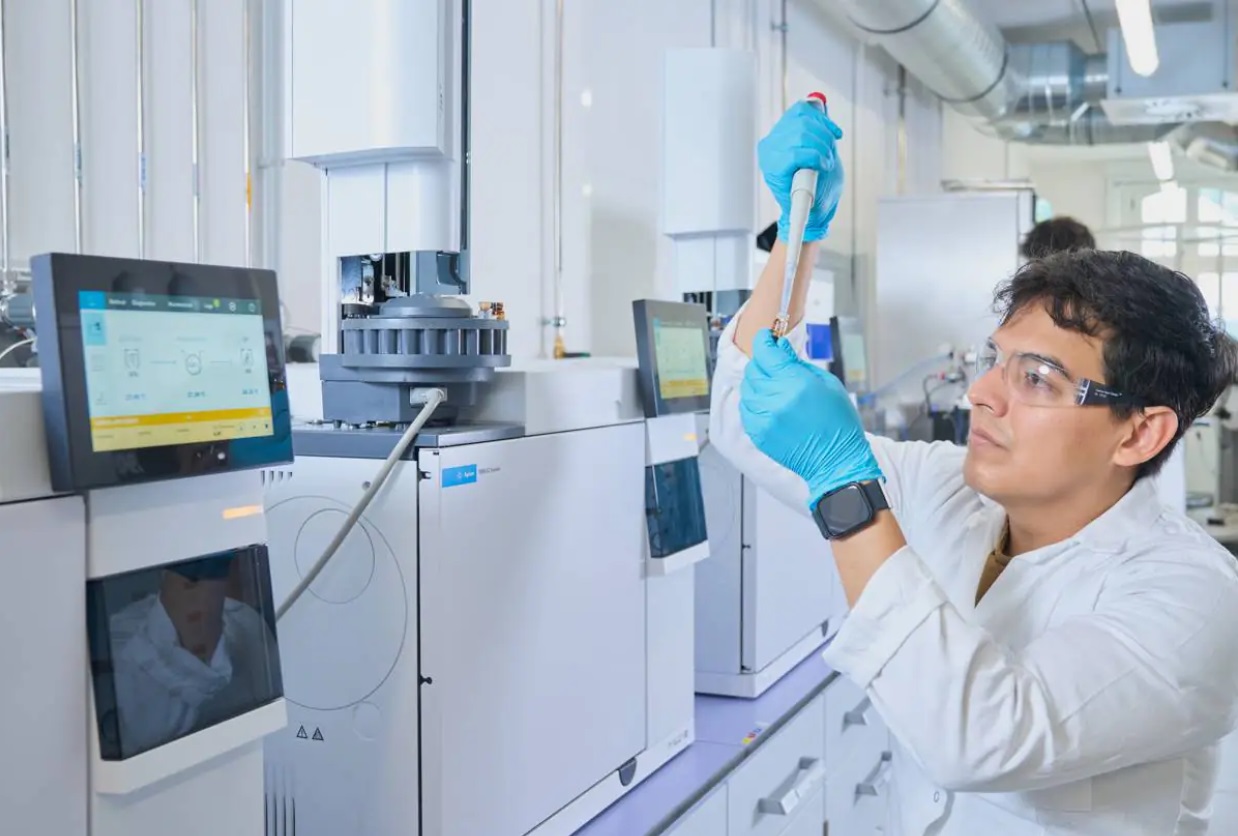
Coreflood, PVT, production chemistry, and flow assurance testing are essential to upstream decision-making. Yet in practice, laboratory programs can become iterative and resource-intensive before clear differentiation emerges. This challenge led us to develop InspIOR®, our microfluidic technology platform, and fluidXlab, our upstream laboratory — not to replace conventional methods, but to strengthen early-stage discrimination, improve efficiency, and increase confidence in engineering decisions.
Rapidly compare formulations and development concepts before committing to full-scale coreflood or PVT programs. Early discrimination reduces experimental cycles and shortens timelines.
Analyze displacement behavior and flow dynamics in structured environments. Controlled conditions strengthen interpretation of conventional laboratory data while minimizing fluid volumes and HSE exposure.
Use microfluidic insight to direct coreflood, PVT, and production chemistry efforts toward the most promising candidates.
By combining microfluidic testing with established laboratory methods, technical decisions gain clarity and confidence — from screening to field strategy.
Reducing iteration. Increasing decision confidence.
From lab to field.
CCUS offshore north sea.
Hydrogen conversion of gas storage facilities.
We believe upstream innovation requires collaboration beyond bilateral service contracts.
Thermodynamic & transport properties of hydrogen and carbon dioxide mixtures
H2Props is conducted in collaboration with leading industry partners, including BP, Equinor, Gassco AS, OMV, Shell, and TotalEnergies.
H2Props is a collaborative industry project focused on generating reliable thermodynamic and transport property data for hydrogen and carbon dioxide mixtures, including relevant impurities.
The objective is to provide high-quality experimental data to support safe transport, storage, and utilization of hydrogen and CO₂ in emerging energy infrastructures.
Within the project, fluidXlab performs high-precision measurements under controlled high-pressure and temperature conditions representative of real operating environments.
The experimental scope includes:
The resulting data contributes to improved thermodynamic modeling, pipeline design, material compatibility assessment, and risk evaluation for hydrogen and CO₂ transport systems.
Open to operators and industry partners.
A consortium for faster, lower-risk EOR decisions in fractured carbonates.
A Joint Industry Project by fluidXlab in collaboration with eppok, built to accelerate early-stage decision making for EOR and conformance in fractured and dual-porosity carbonate reservoirs.
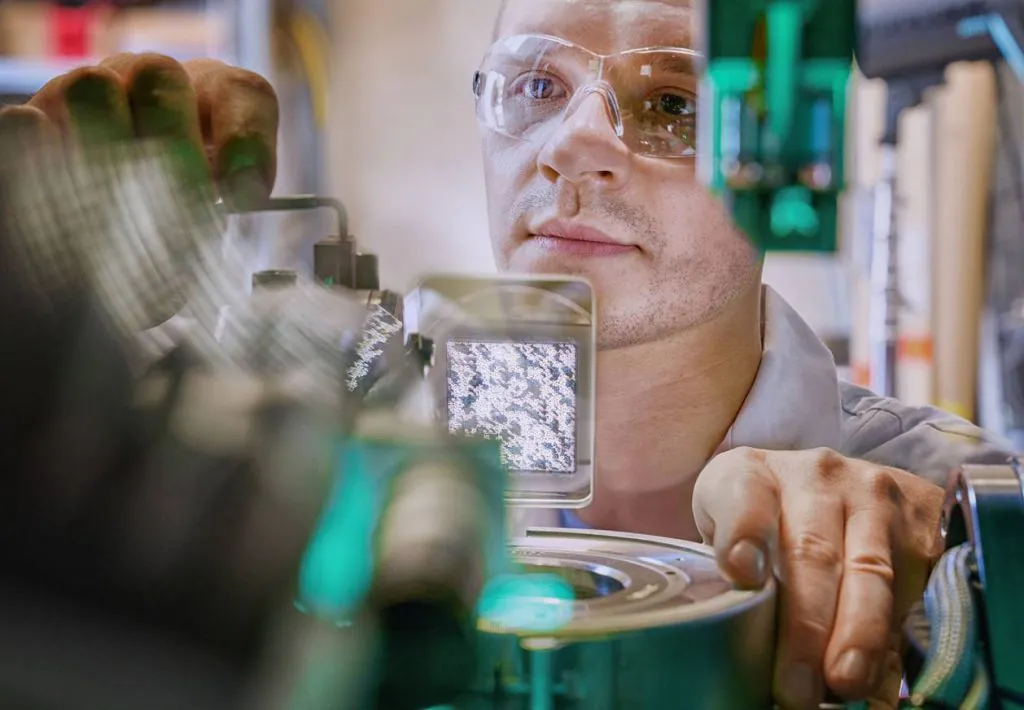
Using carbonate-representative microfluidic chips under reservoir-like conditions, the program observes and quantifies sweep efficiency, capillary trapping, wettability change, chemical transport, and fracture-matrix exchange.
Objective: faster learning, fewer dead-end studies, and clearer prioritisation of EOR & conformance concepts.
Through a consortium model, members shape scope and priorities while sharing high-quality datasets to benchmark conformance technologies and assess EOR methods with reduced uncertainty.
MicroCaRES is open to operators and industry partners, welcoming carbonate teams seeking faster evaluations and lower pilot risk ahead of a planned Q3 2026 start.
Ready to optimize your laboratory strategy?
Connect with our team to scope your workflow and objectives.
Connect with us