P,T Rating
Up to 1,380 bar · -40 to 250°C
MICROFLUIDICS FOR ENERGY AND BEYOND
Efficiently evaluate IOR/EOR, carbon capture and storage (CCS), hydrogen storage, and geothermal processes using minimal fluid volumes and reduced manual intervention.

P,T Rating
Up to 1,380 bar · -40 to 250°C
Wetted Material
Hastelloy®
Automation
End-to-end automation
Chip Catalog
50+ designs

| Feature | InspIOR® | InspIOR® Pro |
|---|---|---|
| Pressure Rating | Up to 10,000 psi (690 bar) | Up to 20,000 psi (1,370 bar) with redundant safety envelope |
Select the platform that matches your operating envelope. Both share the same imaging backbone, software environment, and workflow automation while scaling to different extremes of pressure, temperature, and analytical depth.
We are also open to discuss other configurations depending on the specific application (IOR/EOR, fluid testing, CCS, H₂ storage, or geothermal studies).
Microfluidic chips enable precise, repeatable experiments under high-pressure and high-temperature (HPHT) conditions. Two core families power InspIOR®: rock-on-a-chip analogs that replicate reservoir rock structures, and fluid testing chips designed to complement conventional workflows.
Our ambition is to build truly representative microfluidic chips for every key formation.
Workflows for energy projects
Application
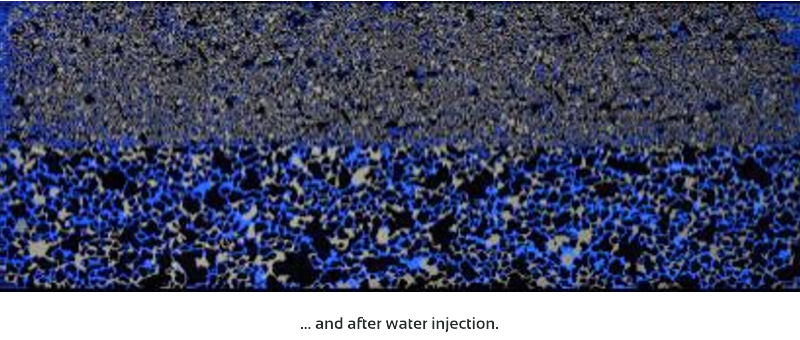
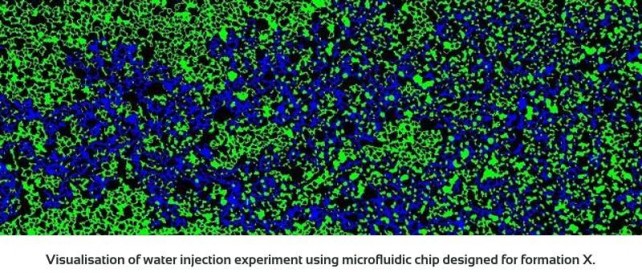
Our micromodels assess mobility control in improved and enhanced oil recovery processes such as polymer flooding. High-resolution visualisations expose the effectiveness of the technique, detailing fluid flow dynamics and the impact of polymer injection.
Application
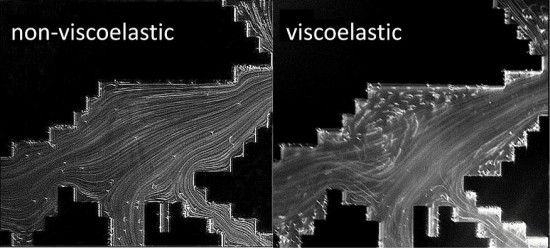
Investigate viscoelastic turbulence effects by studying critical parameters such as brine salinity, polymer concentration, pressure, and temperature. Understand how viscoelastic properties influence turbulence and the effectiveness of oil recovery methods.
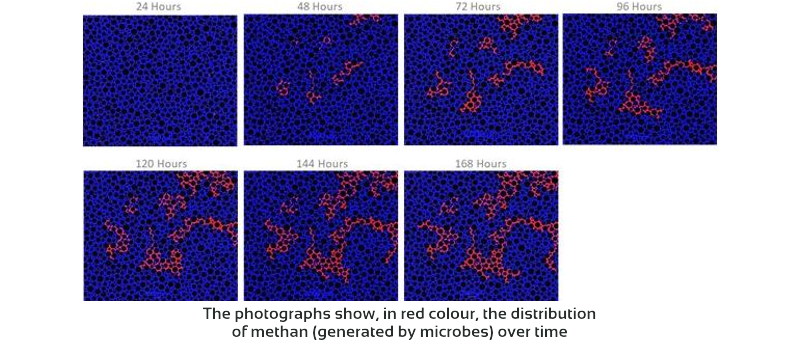
Microbial dynamics showcasing methane distribution generated by microbes over time.
Application
Visualize the gas produced by bacteria and observe bacterial growth to understand interactions between microbes and oil reservoirs. These insights inform strategies for microbial-enhanced oil recovery.
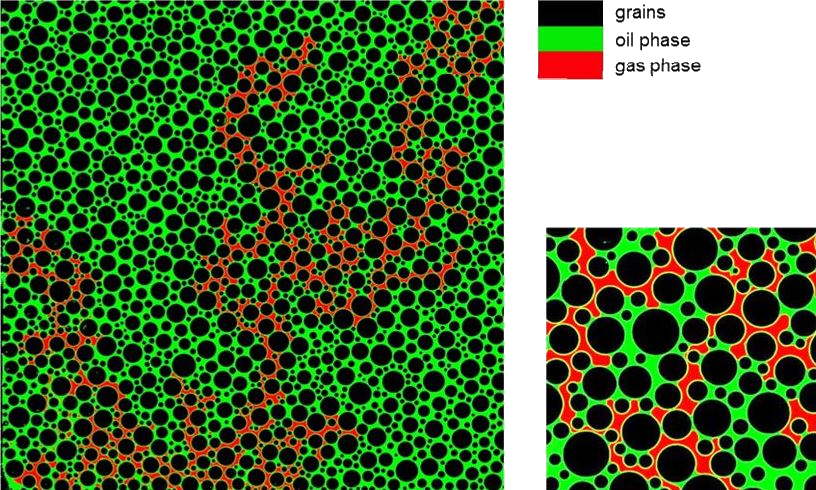
Gas injection scenarios with grains, oil, and gas phases documented in a single view.
Application
Study the effects of immiscible gas injection on oil recovery and gain visibility into the viscous fingering that can limit recovery factors. Our systems capture the complex interactions between injected gas and the reservoir in detail.
Foam flooding comparisons with grains, oil, and gas phases in focus.
Application
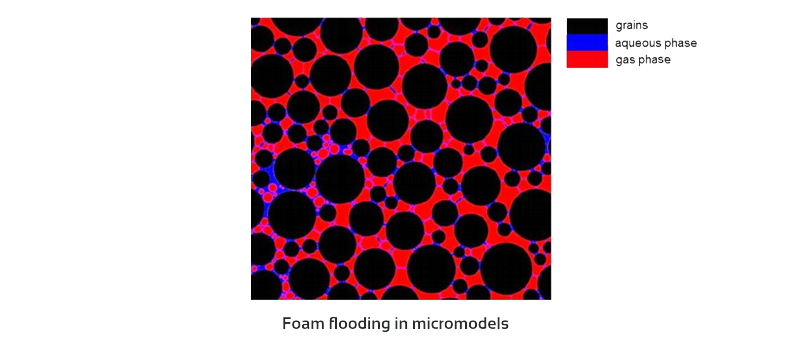
Investigate foam-related EOR processes by analyzing bubble sizes, lamella distribution, foam quality, and stability under reservoir conditions. Determine how foam improves the effectiveness of gas floods.
Foam flooding studies within micromodels at reservoir conditions.
Application
We identify the optimal surfactant–alkaline formulations to achieve maximum oil recovery under representative reservoir conditions.
Waterflooding sequences with surfactant-driven miscibility control.
Ready to connect?
Reach out to our team to start the conversation.
Connect with us